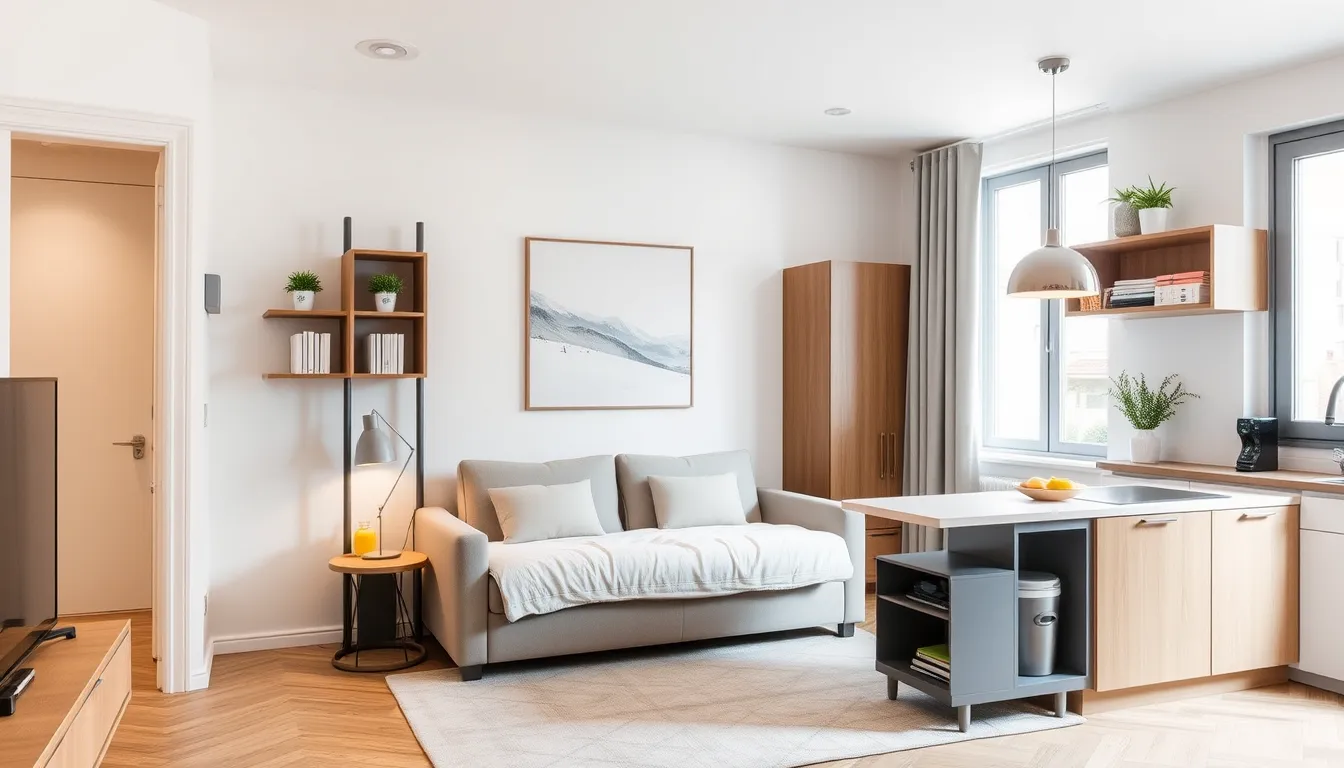
If you live in a compact apartment, every square foot counts. This guide helps you identify wasted space and implement practical, renter‑friendly storage solutions. You will learn how to maximize storage in a small apartment without expensive renovations or drilling into walls.
The process starts with a clear audit of your current layout and moves toward specific techniques for vertical storage and multi‑functional furniture. By adopting these strategies, you create more usable room and build a system that stays organized long‑term.
Assess Your Space and Set Priorities
Audit Every Zone
Start by measuring every room, including often-ignored areas. Use a tape measure to record width, depth, and ceiling height for each space. Note specific dimensions for dead zones, such as the gap above doorframes, the void under beds, or narrow corners where standard furniture fails to fit. This data reveals exactly where vertical storage opportunities exist and where custom or modular solutions might be necessary.
Categorize Your Belongings
Empty one closet or drawer completely. Sort every item into three piles: keep, donate, or discard. Be ruthless. If you have not used an item in the past year, question its necessity. This physical decluttering process clears mental clutter and prevents you from paying storage space for things you no longer need. Repeat this process room by room, focusing on high-volume categories like clothing, kitchenware, and office supplies.
Identify Storage Gaps
Once you know what you are keeping, map those items against your available space. Do you have enough hooks for coats? Is there a dedicated spot for small electronics? Identify which categories currently lack a home. This step informs your zone planning strategy. For example, if your kitchen lacks counter space, prioritize under-cabinet organizers. If your bedroom feels cramped, consider multi-functional furniture that incorporates hidden compartments.
Set Clear Priorities
Rank your storage needs based on daily frequency. Items used every day, like keys, wallets, and daily wear, require the most accessible placement. Seasonal or rarely used items can move to harder-to-reach vertical storage areas. By setting these priorities before purchasing or rearranging, you avoid buying decorative bins that do not solve your actual spatial problems. This foundation ensures that every subsequent change directly addresses a specific, identified need.
Leverage Vertical Space Safely
When you’ve already identified which items need quick access, the next step in How to Maximize Storage in a Small Apartment is to turn the walls into usable shelves without compromising safety or lease terms. Height offers the most untapped square footage, but every solution should be removable, stable, and lightweight.
- Tension‑rod curtains: A simple tension rod spans a window or a narrow wall niche; attach lightweight fabric or a clear shower liner. The curtain creates a hidden pocket for scarves, seasonal linens, or paper bags while the rod stays put without screws.
- Over‑door racks: Hook‑style racks slide over the top of a door and provide multiple hanging bars. Use them for coats, backpacks, or kitchen towels. Because they rely on the door’s frame, they leave no marks on walls.
- Floor‑to‑ceiling shelves with brackets: Place sturdy brackets on the floor and ceiling (or on a sturdy mantel) and slide a shelf board between them. The load is distributed across two points, reducing stress on any single wall. Secure the brackets with removable adhesive pads if drilling is prohibited.
- High hooks: Install adhesive or suction‑cup hooks near the ceiling line to suspend bags, umbrellas, or decorative baskets. Position them where they’re out of reach for children but easy for you to grab when needed.
- Freestanding ladder shelves: Lean a metal or wooden ladder against a wall and add removable brackets or clips to hold books, plants, or storage bins. Because the ladder stands on the floor, no drilling is required, and it can be moved when you move out.
Each of these vertical ideas adds storage without permanent alterations, letting you keep the apartment organized while staying within rental guidelines.
Choose Multi‑Functional Furniture
Once you have optimized your walls, turn your attention to the furniture footprint. Standard pieces often occupy floor space without offering utility beyond their primary function. In a compact living area, every object should serve at least two purposes. Look for multi‑functional furniture that integrates storage directly into its structure, reducing the need for additional cabinets or shelving units.
Start with the bedroom. A platform bed with integrated drawers beneath the mattress provides ample room for seasonal clothing, linens, or shoes without requiring a separate dresser. Alternatively, a bed with a lift‑up top reveals large, deep compartments ideal for bulkier items. These designs eliminate the visual clutter of standalone storage units while keeping essentials accessible.
In the living area, replace a standard sofa with an ottoman that opens to reveal internal bins. This is perfect for stowing throw blankets, magazines, or remote controls. Pair this with a coffee table featuring hidden compartments or sliding trays. These designs keep surfaces clear while providing immediate access to frequently used items, supporting effective zone planning by keeping living areas tidy.
For workspaces, consider a wall‑mounted fold‑down desk. When not in use, it folds flat against the wall, freeing up floor space for movement or exercise. This is particularly useful in studios where the workspace must share the room with other activities.
Finally, opt for modular units that can be re‑configured as your needs change. These systems allow you to adjust shelf heights or add components without buying entirely new furniture. By selecting pieces that adapt to your lifestyle, you ensure your storage solution remains functional long‑term, supporting ongoing decluttering efforts and maintaining an organized environment.
Create Creative Nooks and Hidden Compartments
- Behind the TV: The area behind a wall-mounted television often remains empty despite its potential. Install a slim, shallow shelf or a dedicated media console that tucks directly underneath. This creates a dedicated zone for routers, cable boxes, and charging stations, keeping cords organized and the floor clear. Ensure ventilation holes exist to prevent heat buildup around electronic components.
- Concealing Open Shelves: Open shelving looks inviting but quickly becomes a visual clutter magnet. Slide lightweight plywood panels or wire baskets across the front of these units to hide items you do not need daily access to. This simple modification transforms open display space into a concealed cabinet while maintaining the aesthetic of an open room. Use adhesive hooks or small tracks to ensure the panels remain stable.
- Removable Pegboards: Mount pegboards in hallways, pantries, or above work surfaces to hold tools, kitchen utensils, or cleaning supplies. Because they are attached with removable adhesive or standard screws, you can take them down when moving out without damaging walls. This vertical storage solution frees up drawer space and keeps frequently used items at eye level.
- Suitcase Storage: Vintage suitcases offer durable, stylish storage for bedding or seasonal clothes. Place one under the bed or use its flat top as a temporary bedside table. The hard shell protects contents from dust and allows for easy stacking in closets.
- Tension-Fit Cabinets: Install tension rods and narrow shelving units inside closets to utilize awkward vertical gaps. These units require no drilling, making them ideal for renters. They provide extra depth for shoes or folded towels in spaces that standard shelves cannot reach.
Adopt Ongoing Organization Habits
Zone planning transforms how you interact with your space. Assign specific areas for high-frequency items, such as keys, wallets, and daily medications, so they always have a designated home. This prevents the clutter that accumulates when objects lack a clear resting place. By keeping these essentials in one consistent spot, you reduce the cognitive load of searching for them throughout the day.
Pair this spatial strategy with the one-in-one-out rule. Every time you bring a new item into the apartment, commit to removing an equivalent one. This simple habit maintains balance and prevents gradual accumulation. It forces a quick evaluation of whether the new addition is truly necessary or just another object competing for limited floor space.
Schedule quarterly decluttering sessions to keep the system running. Set a recurring calendar reminder to go through each zone systematically. During these reviews, identify items you no longer use and donate or discard them. This regular reset prevents minor messes from becoming overwhelming hoards.
Labeling is crucial for hidden compartments and off-season storage. Use clear, concise labels on boxes and bins to ensure you can retrieve items without unpacking everything. This saves time and preserves your organization system.
Finally, maintain clear high-traffic pathways. Keep walkways free of obstacles to ensure safety and ease of movement. When items block your path, they create friction in your daily routine. By respecting these zones, you create a living environment that feels spacious, functional, and manageable, allowing your small apartment to serve your needs effectively without constant chaos.
Schreibe einen Kommentar